Recycling and Sustainability for Landscaping Charlton
 Landscaping Charlton is committed to building greener outdoor spaces with a practical, low-waste approach that supports both clients and the local environment. Our recycling and sustainability work is designed to reduce landfill use, cut carbon emissions, and make better use of materials that would otherwise be discarded. From soil, timber, and green waste to packaging, metal fixtures, and hard landscaping offcuts, we focus on keeping as much as possible in circulation. In a busy borough setting where waste streams are varied, careful sorting and responsible disposal make a real difference.
As part of our Charlton landscaping recycling goals, we aim to recycle at least 85% of the non-hazardous waste we generate on suitable projects, with an ongoing drive to improve that figure year on year. This target supports a broader sustainability strategy that includes reuse before recycling, repair before replacement, and smarter material ordering to reduce surplus. We also encourage source separation on site, which helps ensure that inert materials, green waste, and general rubbish are kept apart and processed correctly.
Our landscaping operations are planned with local waste infrastructure in mind, including nearby transfer stations and licensed facilities that can handle mixed builders’ waste, soil, aggregates, and garden materials. By directing waste through approved routes rather than informal disposal channels, we help ensure compliance and traceability. This is especially important in areas where borough-level waste separation expectations are increasingly precise, with clear differences between green waste, rubble, timber, plastics, and general residual waste.
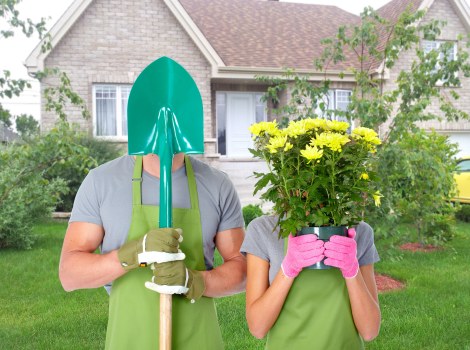 A key part of our recycling-led landscaping in Charlton is the careful handling of organic material. Grass cuttings, branches, hedge trimmings, and leaves are separated for composting or mulching wherever possible, helping divert biodegradable waste away from landfill. Where appropriate, chipped arisings can be repurposed on suitable sites as ground cover, path surfacing, or soil improvement material. This approach keeps nutrients in the local cycle and reduces the need for additional imported products.
We also work with local and regional facilities that can process common landscape waste streams, including soil screening, timber recovery, stone reclamation, and metal recycling. For hard landscaping jobs, reusable paving slabs, bricks, edging, and decorative stone are inspected carefully before disposal. If materials are still serviceable, they are set aside for reuse in future projects or for donation. This practical method supports a circular model and reduces demand for newly manufactured materials.
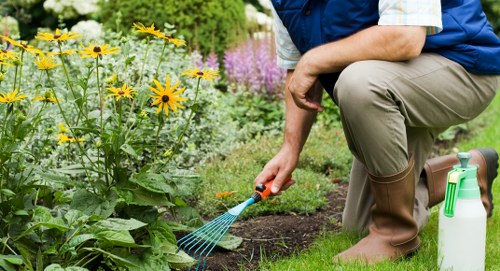 In Charlton and the wider southeast London area, boroughs increasingly encourage waste separation at source, and our site teams reflect that mindset through organised skips, labelled containers, and waste audits. By separating clean inert waste from mixed waste, we can improve recycling yields and reduce contamination. This is particularly useful on landscaping projects that involve turf removal, excavation, fence replacement, or patio works, where multiple waste types are produced in a short time.
We are also proud to support partnerships with charities and community reuse organisations. Good-quality materials such as surplus planters, timber offcuts, paving remnants, topsoil, compost bags, and garden furniture components may be passed on when suitable. These partnerships help give a second life to materials that still have value, while supporting local groups that benefit from affordable, usable supplies. For Landscaping Charlton sustainability, reuse is often the most effective form of recycling because it prevents waste altogether.
Our commitment goes beyond waste handling. We continually review how we order materials, select suppliers, and schedule jobs to minimise trips and reduce emissions. Whenever possible, products are sourced from regional suppliers to shorten transport distances and support lower-carbon logistics. We also prioritise durable, repairable products so that installations last longer and need fewer replacements over time. In practice, this means more resilient gardens and fewer resources consumed across the lifecycle of a project.
The right equipment matters too. Our fleet includes low-carbon vans designed to reduce fuel consumption and lower emissions during travel between sites, depots, and recycling facilities. These vans support our broader environmental strategy by cutting the carbon intensity of daily operations. Combined with route planning, load consolidation, and fewer unnecessary journeys, they help make the transportation side of landscaping more efficient and more sustainable.
How we reduce waste in everyday landscaping work
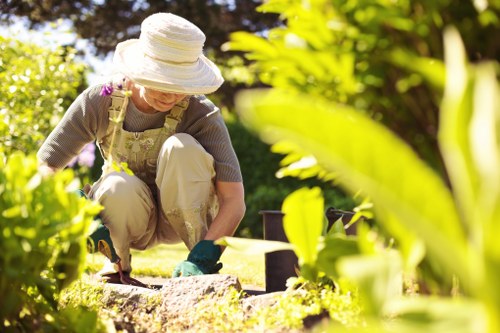 Every project is assessed with waste prevention in mind, from the first site visit through to the final tidy-up. If existing materials can be retained, repaired, or re-used, we take that route first. Soil is checked for suitability before removal, timber is sorted for reuse or recycling, and stone is separated where possible to avoid mixing clean materials with general waste. This attention to detail helps improve the overall recycling percentage and reduces pressure on transfer stations and processing plants.
Responsible handling of common site materials
Typical Charlton landscaping projects can generate green waste, old turf, compacted soil, broken concrete, plastic packaging, treated wood, and small amounts of metal or cable. Each stream is handled differently. Organic material is directed to composting or biomass routes where appropriate, inert rubble is sent for crushing and reuse, and metals are recovered through licensed recyclers. Even packaging is checked carefully, with cardboard, clean plastic wrapping, and pallets separated when local facilities can accept them.
We believe sustainability should be visible in the small details as well as the big decisions. That means using reusable site containers, avoiding single-use items where practical, and choosing products with recycled content when they meet the needs of the job. It also means keeping the site clean and organised so that waste separation is straightforward for everyone involved. The result is a more efficient process that supports both the environment and the quality of the finished landscape.
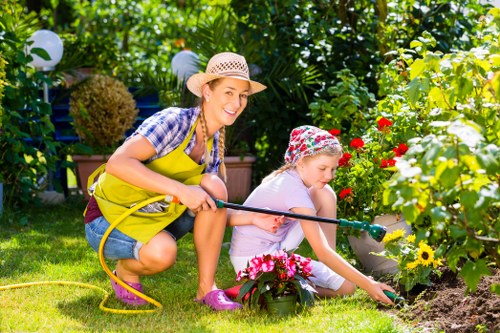 Our recycling and sustainability approach in Charlton is not a one-off initiative; it is part of how we operate every day. We monitor waste performance, look for new reuse opportunities, and stay aligned with local waste processing options so that materials move through the correct channels. By combining a strong recycling target, local transfer station use, charity partnerships, and low-carbon vans, we are working to make landscaping greener from start to finish. Landscaping Charlton aims to leave outdoor spaces better than we found them, while also reducing the environmental footprint of the work itself.